GRAPHICS & ARTICLE

Global Trends and Registry Development in Human Xenotransplantation Practices
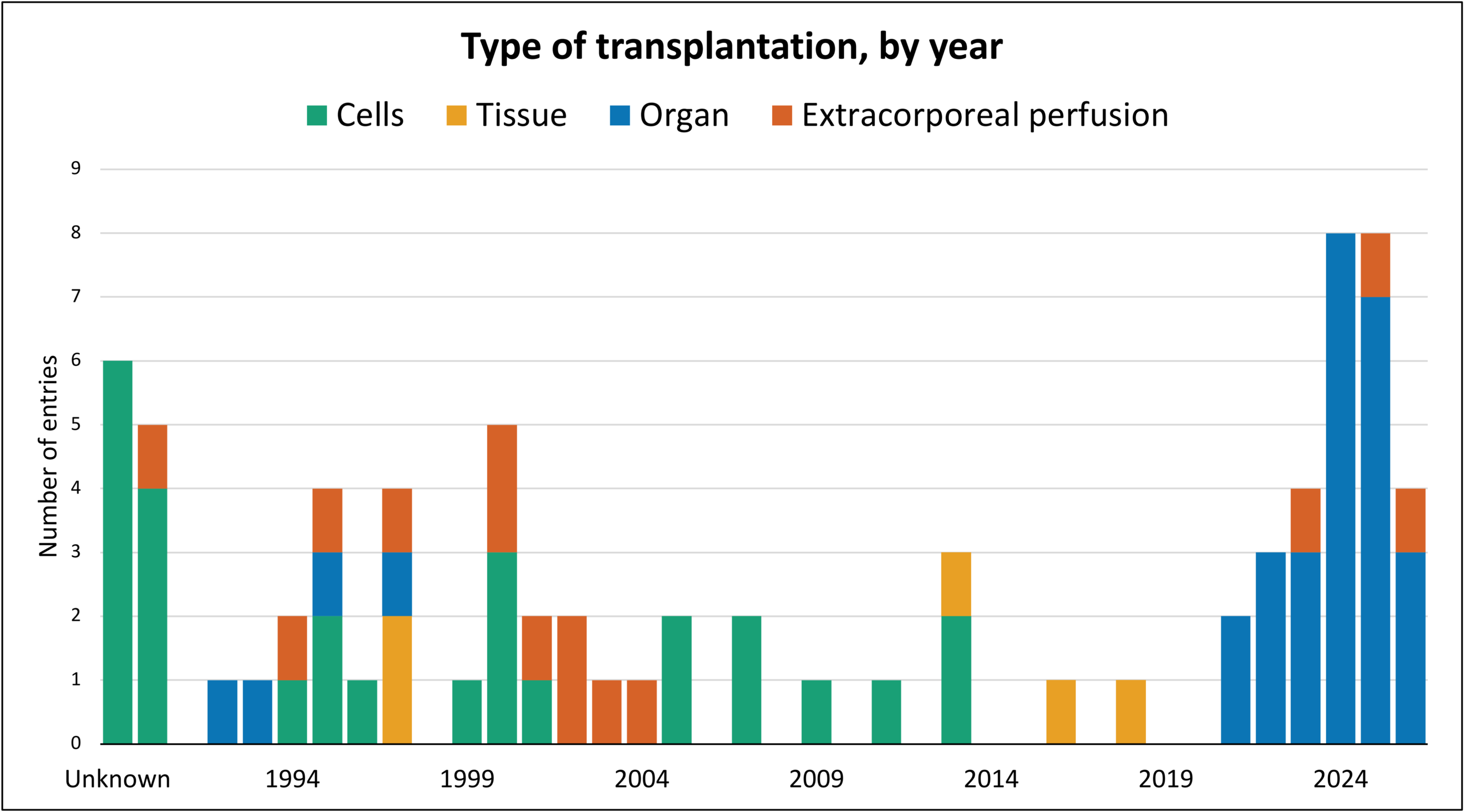
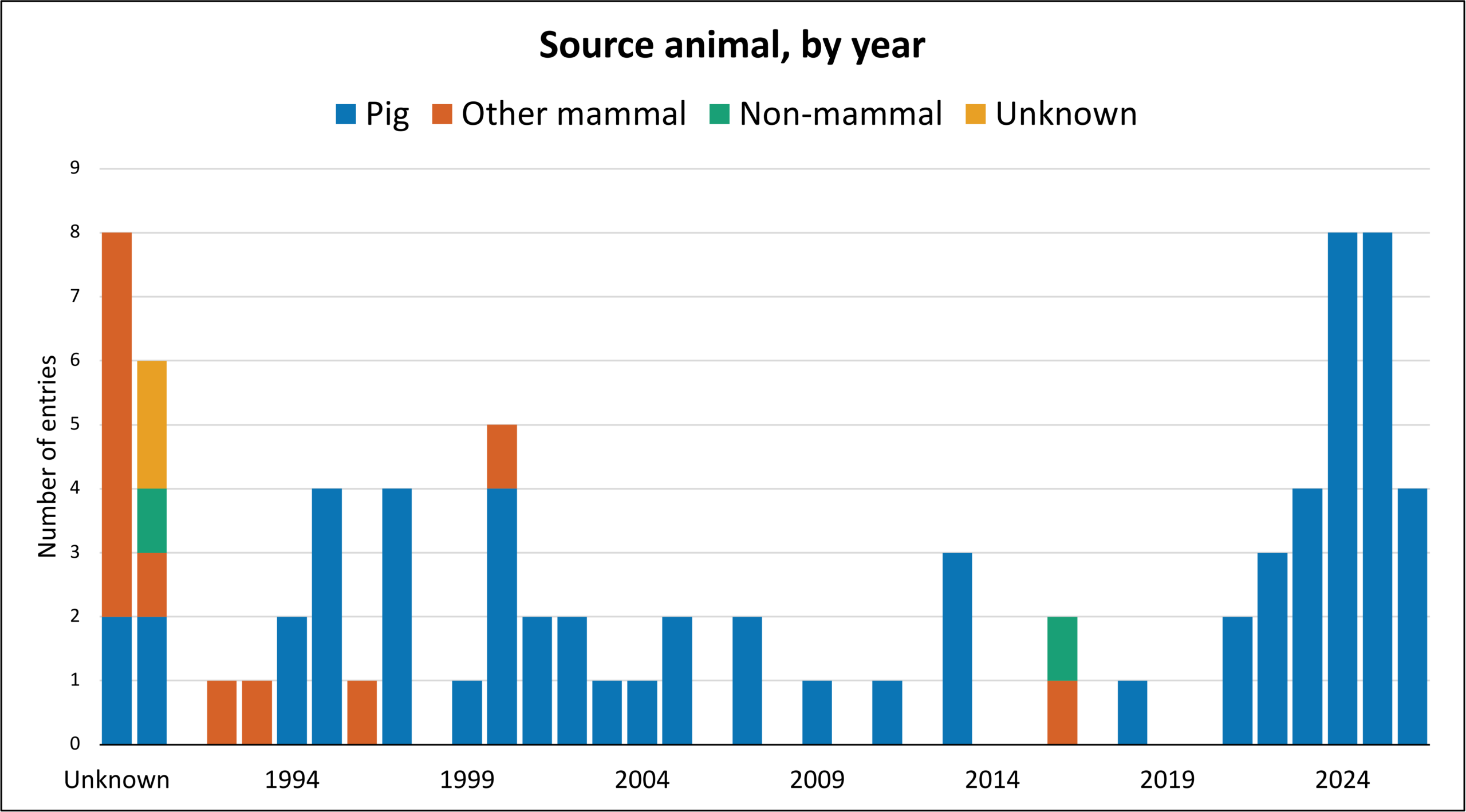
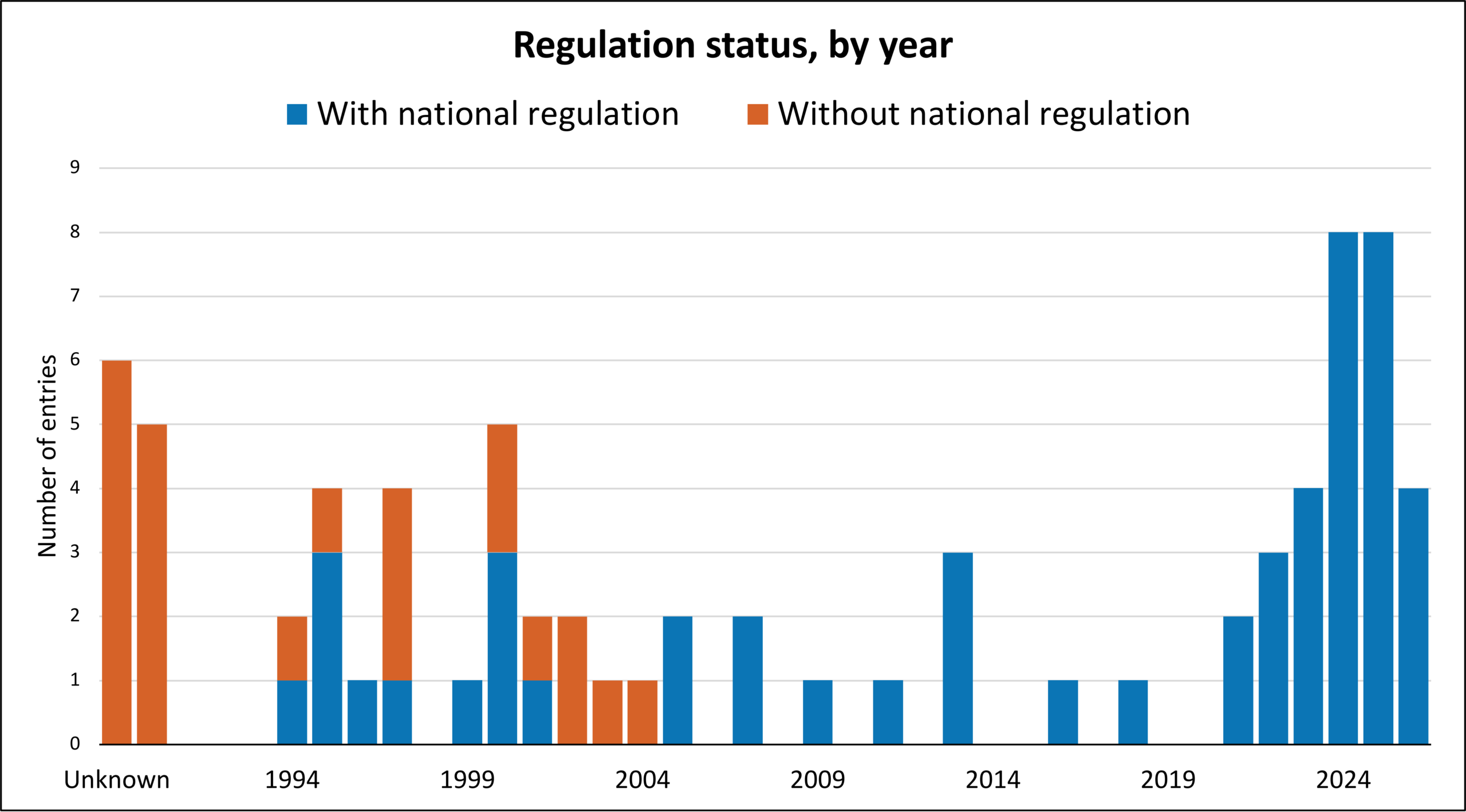
The global shortage of organs for transplantation has driven interest in xenotransplantation, which uses animal organs, cells, or tissues as potential alternatives for human patients. To improve transparency and oversight in this field, the World Health Organization and the International Xenotransplantation Association established an online inventory in 2006 to record human xenotransplantation practices worldwide. Managed first by Geneva University Hospital and later by Sichuan Provincial People’s Hospital, the registry collects and verifies information from scientific publications, conferences, media reports, and expert declarations. As of May 2024, it contained 54 documented human xenotransplantation procedures. Analysis of these records reveals important trends over the past two decades, including changes in transplantation types, regulatory status, and source animals. Recent landmark procedures involving genetically modified animal kidneys and hearts reflect long-term scientific progress and evolving regulatory frameworks. These developments suggest that clinical xenotransplantation may become increasingly relevant for patients with end-stage kidney disease, heart disease, or diabetes. The text also emphasizes the need for greater funding and supports expanding the current registry or integrating it into a broader international platform, such as the Global Observatory on Donation and Transplantation.

Articles related to the inventory

Future perspectives advocate for increased funding and expansion of the current registry or its potential integration into a larger and more broadly internationally recognized registry, such as the Global Observatory on Donation and Transplantation.